Seat Intake: 8
Specialized training in neurophysiology diagnostics, including EEG, EMG, and nerve conduction studies.
Seat Intake: 20
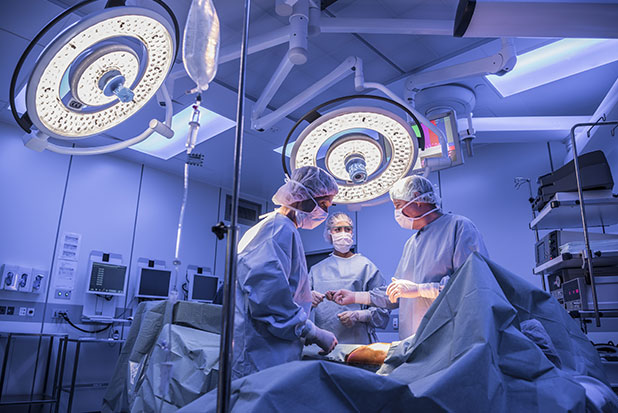
Focuses on anaesthesia management and operation theatre technology to assist in surgical procedures.
Seat Intake: 20
Trains students in cardiac diagnostic procedures, cardiac catheterization, and advanced cardiovascular care.
Seat Intake: 20
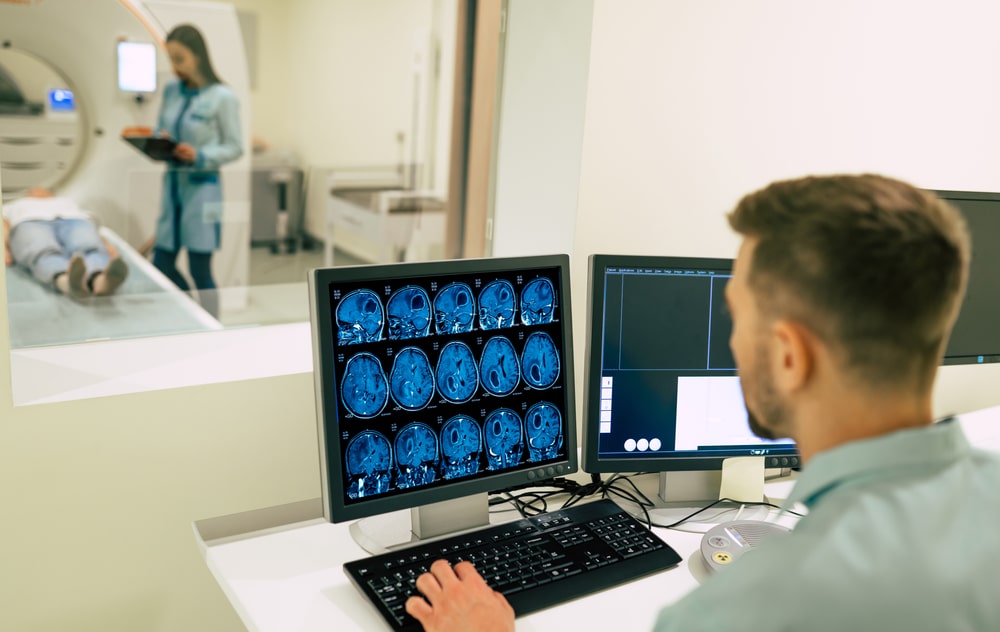
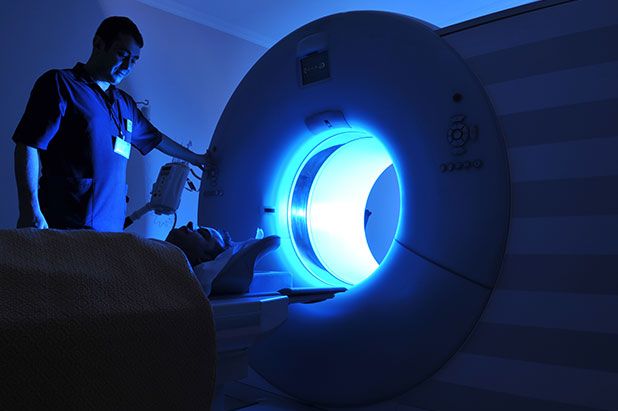
Specialized training in radiographic techniques, MRI, CT scans, and ultrasound imaging for medical diagnostics.
Seat Intake: 20
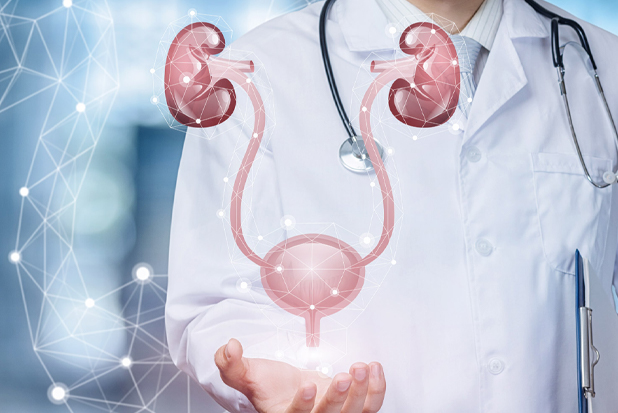
Trains students in dialysis procedures, renal function management, and nephrology care.
Seat Intake: 20
Focuses on vision care, optical instrumentation, and diagnosing eye-related disorders.
Seat Intake: 20
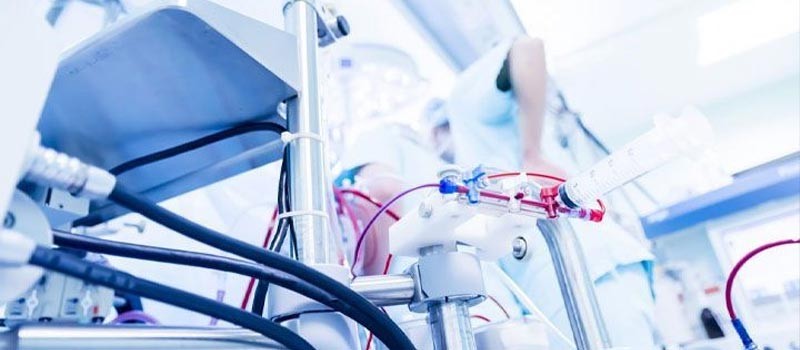
Prepares students to operate heart-lung machines during cardiac surgeries and critical care monitoring.
Seat Intake: 20
Trains students in pre-hospital emergency care, trauma management, and life-saving interventions.
Seat Intake: 20
Prepares students to manage respiratory disorders, ventilator support, and pulmonary diagnostics.
Seat Intake: 20
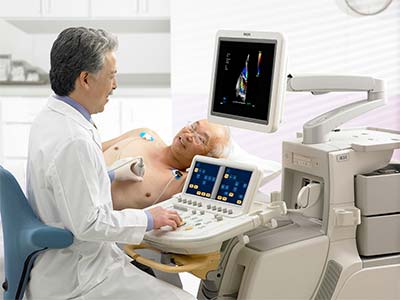
Focuses on echocardiographic imaging and diagnostics for cardiovascular disorders.
Seat Intake: 20
Training in radiation therapy techniques used in oncology treatment and cancer management.
Seat Intake: 6
Training in assisting physicians with clinical procedures, patient care, and medical support in hospitals and clinics.
Seat Intake: 6
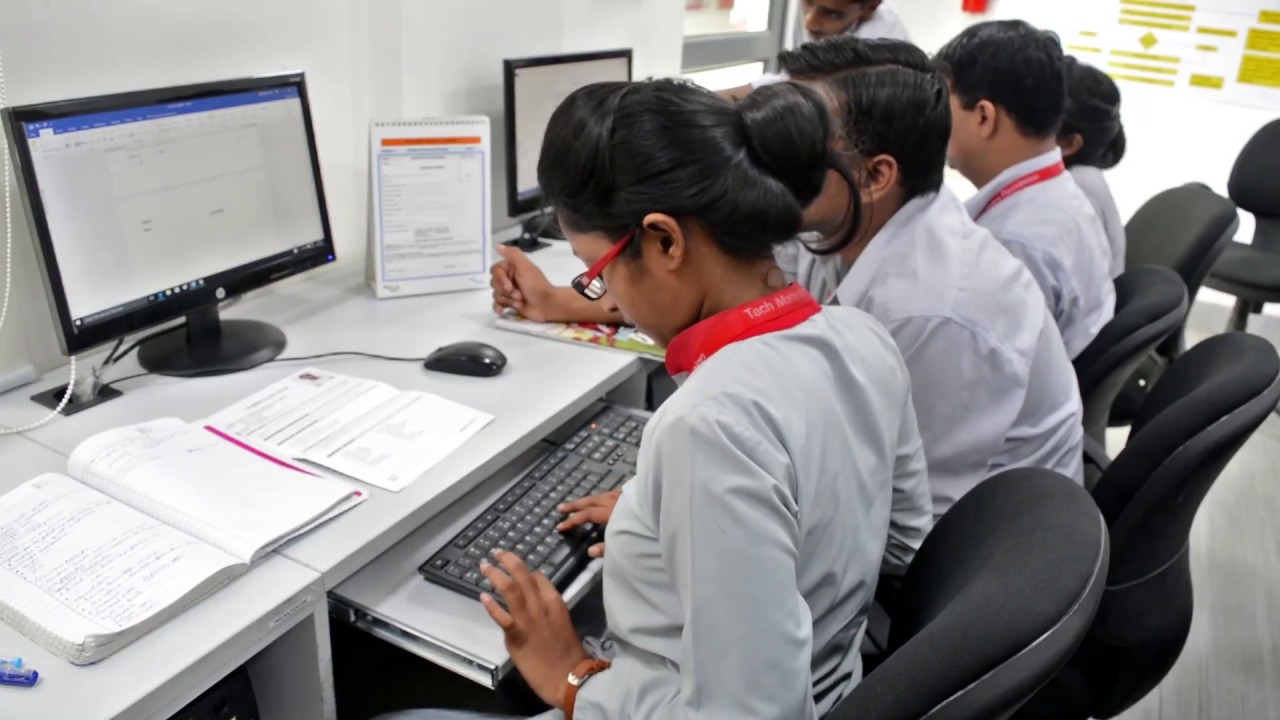
Focuses on healthcare data management, medical documentation, and patient records handling in hospitals and clinics.
Seat Intake: 10
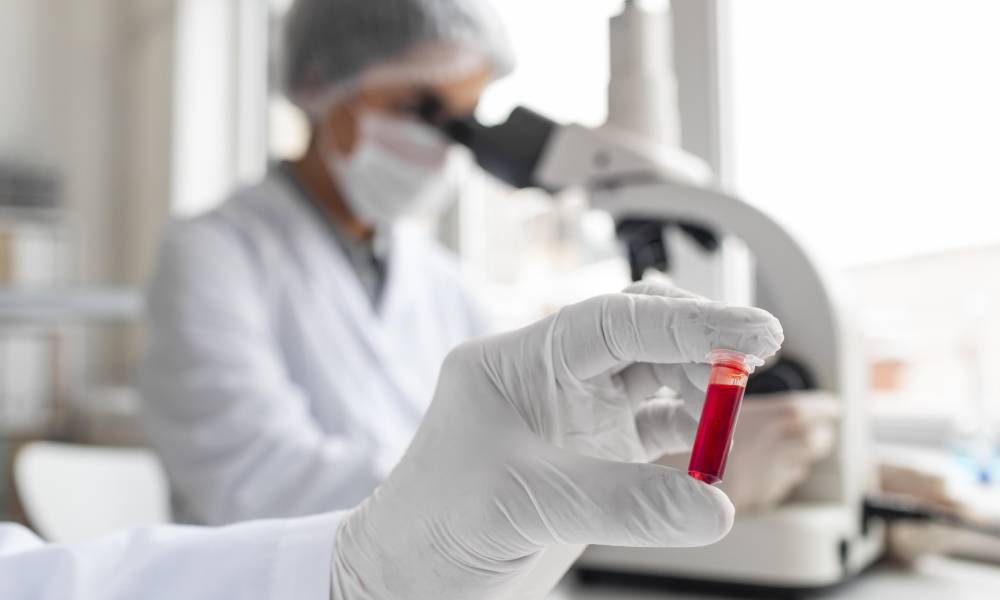
Specialized training in blood collection, testing, storage, and transfusion procedures in healthcare facilities.
Applicants must have completed 10+2 / Intermediate or an equivalent board examination with science-intensive combinations including Botany, Zoology, Physics, and Chemistry (BiPC).
Yes, candidates finishing matching Intermediate Vocational healthcare tracks or APOSS combinations specifying biological and physical sciences are eligible, subject to university equivalence rules.
An applicant must be at least 17 years old as of December 31st of the year of admission. There is typically an upper limit of 35 years for general categories.
NO. NEET qualification is not mandatory for B.Sc. Allied Health Science streams. Selection is generally routed through state counseling quotas or intermediate board merit ranks.
State quota allocations are strictly processed via online selection portals managed during counseling phases administered under Dr. YSR University of Health Sciences guidelines.
Mandatory documents include:
Candidates claiming category or economic exceptions must enclose a valid Integrated Community / Caste Certificate and an Income Certificate issued by competent state revenue authorities.
Yes. A specific percentage of seats are held under institutional management quotas for qualified BiPC students fulfilling baseline eligibility parameters. Direct helpdesks should be reached for seat blocks.